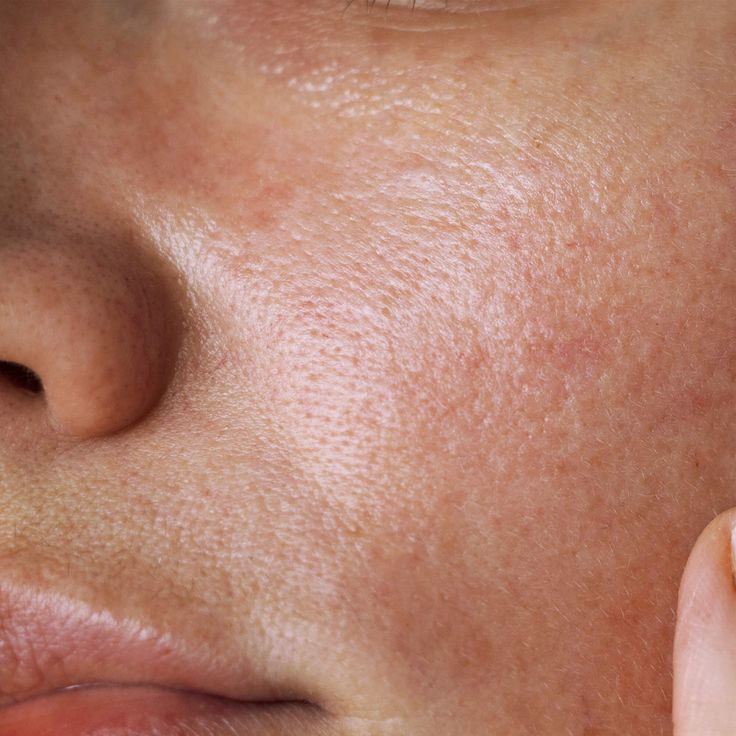
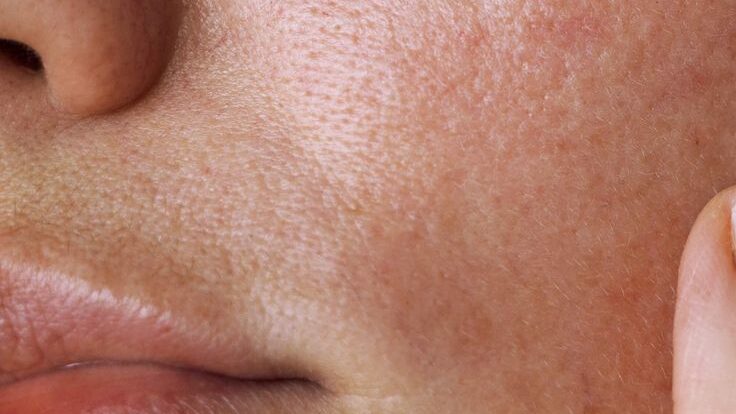
If you have sensitive skin, rosacea, acne, or chronic irritation, you’ve probably tried everything: actives, exfoliants, prescription treatments, expensive serums. But what if the problem isn’t that you need more products—it’s that your skin barrier is compromised? This is why barrier-first skincare focuses on protecting and repairing this critical layer before introducing any actives.
Barrier-first skincare is a science-backed approach that prioritizes strengthening and protecting your skin barrier beforeintroducing active ingredients or treatments. It’s the foundation of healthy skin—and it’s the philosophy I use for every facial and skincare protocol at Arch + Skin in Dallas.
Here’s everything you need to know about barrier-first skincare, why it matters, and how to know if your barrier needs help.
What Is Your Skin Barrier?
Your skin barrier (also called the stratum corneum) is the outermost layer of your skin. It’s made up of:
- Lipids (ceramides, cholesterol, fatty acids)
- Proteins (keratin)
- Natural moisturizing factors (NMFs)
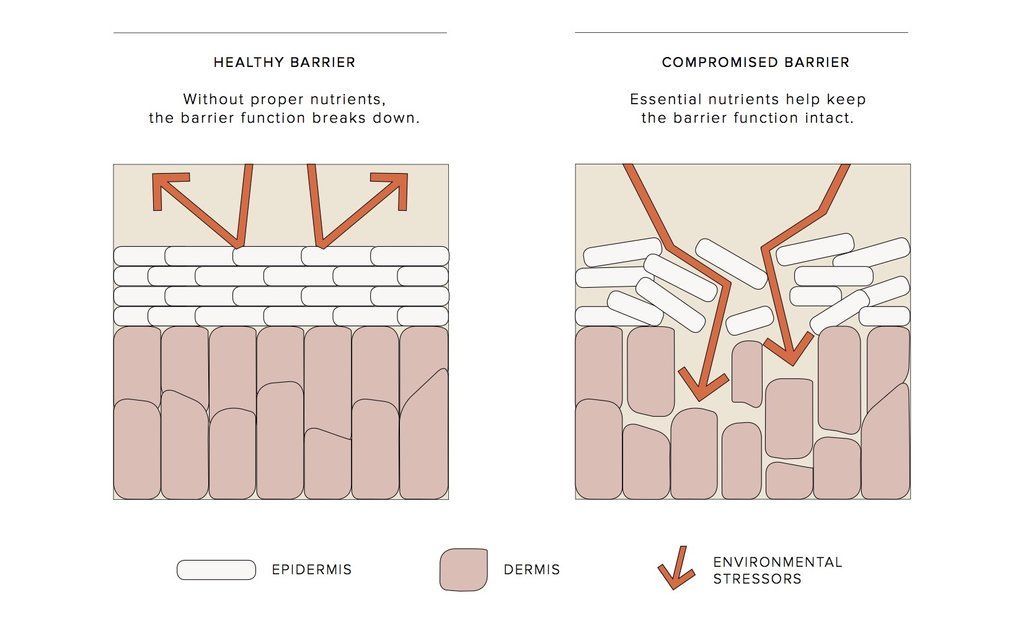
Think of your skin barrier like a brick wall:
- The “bricks” are your skin cells (corneocytes)
- The “mortar” is the lipid matrix that holds everything together
The skin barrier’s lipid matrix is essential for moisture retention and protection. According to dermatological research, a compromised barrier is linked to conditions like eczema, rosacea, and acne.
When your barrier is intact, it:
- Locks in moisture
- Protects against environmental damage (pollution, UV, bacteria)
- Prevents irritation and inflammation
- Keeps your skin calm, hydrated, and resilient
When your barrier is compromised, your skin becomes:
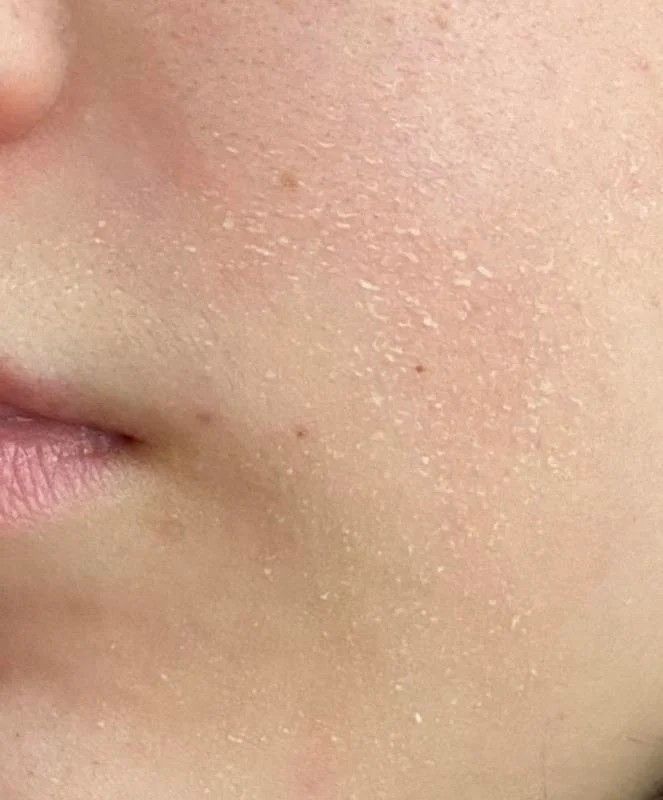
- Dry, flaky, or tight
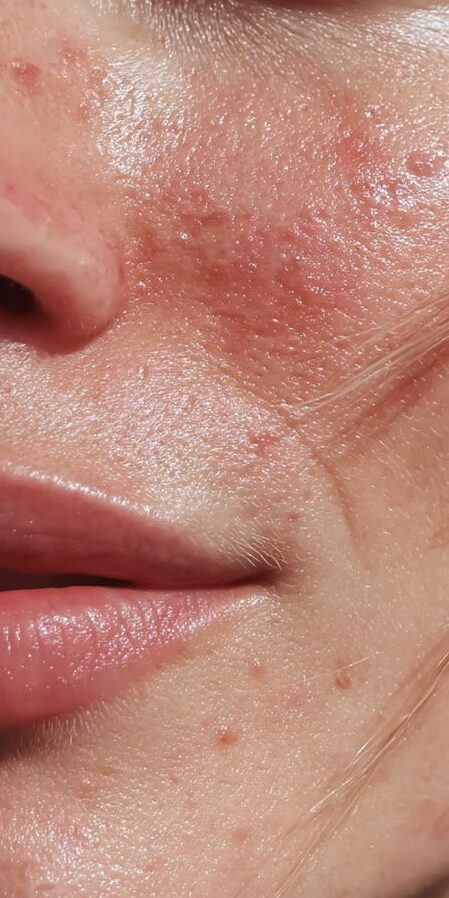
- Red, irritated, or inflamed
- Sensitive to products that used to work fine
- Prone to breakouts, rosacea flare-ups, or eczema
- Unable to retain moisture (no matter how much you moisturize)
What Is Barrier-First Skincare?
Barrier-first skincare means strengthening and protecting your skin barrier before introducing exfoliating acids, retinoids, or aggressive treatments.
Instead of jumping straight to actives (which can further damage a compromised barrier), you focus on:
- Repairing the lipid matrix
- Reducing inflammation
- Restoring hydration
- Calming irritation
Once your barrier is strong and resilient, then you can introduce actives—and your skin will actually tolerate them.
Barrier-First vs. Traditional Skincare
Traditional approach:
- Start with actives (retinol, acids, exfoliants)
- Push through irritation (“it’s just purging”)
- Add more products to fix the damage
Barrier-first approach:
- Assess barrier health first
- Repair and strengthen the barrier
- Introduce actives slowly, only when the barrier is ready
- Prioritize long-term skin health over quick fixes
Signs Your Skin Barrier Needs Barrier-First Skincare
Not sure if your barrier needs help? Here are the most common signs:
1. Persistent Dryness (Even After Moisturizing)
2. Increased Sensitivity
3. Redness or Inflammation
4. Breakouts or Congestion
If your skin feels tight, flaky, or dehydrated no matter how much moisturizer you use, your barrier isn’t holding onto water.
Products that used to work fine now sting, burn, or cause redness. This is a classic sign of barrier damage.
Chronic redness, flushing, or rosacea flare-ups often stem from a weakened barrier that can’t protect against irritants.
A compromised barrier allows bacteria and irritants to penetrate deeper, leading to acne, clogged pores, or inflammation.
5. Rough or Uneven Texture
6. Shiny or Greasy Skin (But Still Dehydrated)
7. Slow Healing
8. Increased Reactivity to Weather or Environment
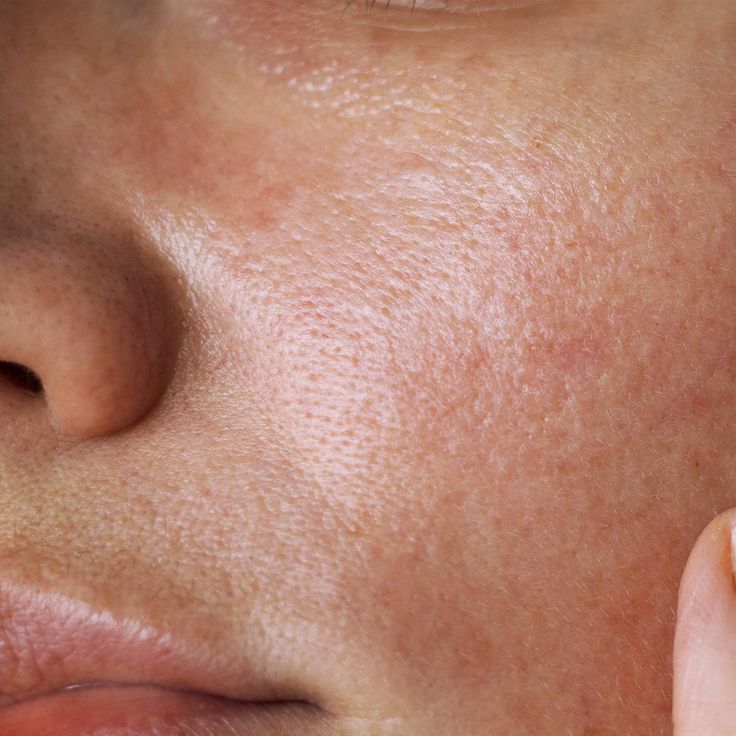
If your skin feels rough, bumpy, or uneven, your barrier isn’t functioning properly.
Your skin may overproduce oil to compensate for a damaged barrier, creating an oily-but-dehydrated situation.
Cuts, breakouts, or irritation take longer to heal when your barrier is compromised.
Your skin stings, burns, or flares up when exposed to wind, cold, heat, or air conditioning. A compromised barrier can’t regulate or defend itself.
What Damages the Skin Barrier?
Understanding what weakens your barrier is the first step to protecting it. Common culprits include:
Over-Exfoliation
Harsh Cleansers
Environmental Stressors
Hot Water
Using acids (AHAs, BHAs), scrubs, or retinoids too frequently strips the lipid layer and thins the skin.
Foaming cleansers with sulfates or high pH levels disrupt the skin’s natural acid mantle.
Pollution, UV exposure, wind, and extreme temperatures weaken the barrier over time.
Long, hot showers or face washing with hot water strips natural oils and dehydrates the skin.
Skipping Moisturizer
Using Too Many Actives at Once
Chronic Inflammation
Stress and Lack of Sleep
If you’re not sealing in hydration, your barrier can’t repair itself.
Layering retinol, vitamin C, acids, and exfoliants without giving your skin time to recover leads to chronic barrier damage.
Conditions like rosacea, eczema, or acne create ongoing inflammation that weakens the barrier.
Chronic stress and poor sleep elevate cortisol levels, which weakens the skin barrier, increases inflammation, and slows down repair processes.
How to Repair Your Skin Barrier
If your barrier is compromised, here’s how barrier-first skincare can help you rebuild it:
1: Simplify Your Routine
2: Use Barrier-Repairing Ingredients
3: Avoid Irritants
Strip your routine down to the basics:
- Gentle cleanser
- Hydrating serum or essence
- Barrier-repair moisturizer
- SPF (morning only)
Most importantly, remove all actives (retinol, acids, exfoliants) until your barrier is healed.
Look for products with:
- Ceramides (rebuild the lipid matrix)
- Niacinamide (reduces inflammation, strengthens the barrier)
- Hyaluronic acid (hydrates and plumps)
- Squalane or jojoba oil (mimics natural skin oils)
- Centella asiatica (calms inflammation)
- Peptides (support skin repair)
Skip:
- Fragrance
- Essential oils
- Alcohol-based toners
- Harsh physical scrubs
- Sulfate cleansers
4: Protect Your Skin
5: Avoid Switching Products Too Often
6: Be Patient
- Wear SPF 30+ daily (UV damage weakens the barrier)
- Use lukewarm water for cleansing
- Pat your skin dry (don’t rub)
- Apply moisturizer to damp skin (locks in hydration)
Stick with your simplified routine for at least 2-4 weeks. Constantly switching products prevents your skin from stabilizing and can introduce new irritants. Let your barrier heal before experimenting with new ingredients.
Barrier repair takes 2 to 4 weeks of consistent care. Don’t rush back to actives—your skin needs time to rebuild.
Barrier-First Skincare for Rosacea
If you have rosacea, your skin barrier is chronically compromised. Inflammation, flushing, and sensitivity are all signs that your barrier can’t protect itself.
Barrier-first approach for rosacea:
- Focus on calming inflammation (niacinamide, azelaic acid, centella)
- Avoid triggers (hot water, alcohol, fragrance, harsh exfoliants)
- Use gentle, hydrating products that support the barrier
- Introduce actives only when your skin is calm and stable
I specialize in rosacea-safe facials and skincare protocols at Arch + Skin. Every treatment is designed to strengthen your barrier, not strip it.
Barrier-First Skincare for Acne
Acne-prone skin still needs a healthy barrier. In fact, many acne treatments (benzoyl peroxide, salicylic acid, retinoids) can damage the barrier if overused.
Barrier-first approach for acne:
- Use gentle, non-stripping cleansers
- Introduce actives slowly (start with 1-2x per week)
- Balance exfoliation with hydration
- Avoid over-drying your skin (this triggers more oil production)
- Support barrier repair with ceramides and niacinamide
A barrier-first skincare approach helps your skin tolerate acne treatments without irritation.
Barrier-First Facials at Arch + Skin
At Arch + Skin in Dallas, every facial starts with a barrier assessment. I look at:
- Skin texture and hydration levels
- Redness or inflammation
- Sensitivity to touch or products
- Current product routine
Based on your barrier health, I’ll customize your facial to:
- Calm inflammation
- Restore hydration
- Strengthen the lipid matrix
- Protect against environmental damage
I use clinical-grade products from PCA Skin, HydroPeptide, Osmosis, Obagi, and ZO Skin Health—all chosen for their barrier-supporting ingredients.
If your barrier is compromised, I’ll recommend a repair protocol before introducing exfoliating treatments like chemical peels or microchanneling.
Final Thoughts: Why Barrier-First Skincare Works
You can’t build healthy skin on a damaged foundation. If your skin is sensitive, reactive, or struggling, the answer isn’t more actives—it’s barrier repair.
Key takeaways:
- Your skin barrier is the outermost protective layer of your skin
- A compromised barrier leads to dryness, sensitivity, redness, and breakouts
- Barrier-first skincare prioritizes repair and protection before introducing actives
- Barrier repair takes 2-4 weeks of consistent, gentle care
- A strong barrier allows your skin to tolerate treatments and stay healthy long-term
If you’re in Dallas and struggling with sensitive, reactive, or damaged skin, book a barrier-first facial at Arch + Skin. I’ll assess your barrier, create a customized treatment plan, and help you rebuild healthy, resilient skin.
Book your barrier-first facial at Arch + Skin: archandskin.com
About the Author
Lauren Munson is a licensed esthetician and rosacea specialist at Arch + Skin in Dallas, TX. She specializes in barrier-first skincare and customized facials for sensitive, reactive, and acne-prone skin. Lauren operates under medical oversight and has performed thousands of clinical facials focused on long-term skin health.


