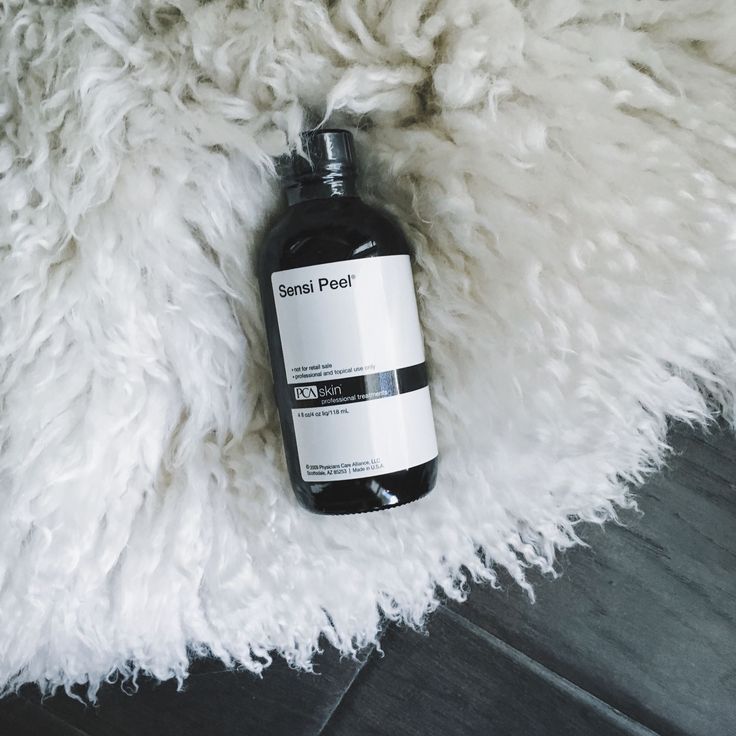
If you have sensitive skin, rosacea, or a compromised skin barrier, the idea of getting chemical peels for sensitive skin might sound terrifying. Peeling, redness, irritation—no thanks, right?
But here’s the truth: chemical peels can be incredibly effective for sensitive skin when done correctly. The key is using a barrier-first approach that strengthens your skin instead of stripping it.
I’m Lauren Munson, a licensed esthetician and rosacea specialist at Arch + Skin in Dallas. I’ve spent years working with sensitive, reactive skin—including my own—and I’ve learned that the right peel, applied with the right strategy, can transform your skin without the drama.
Here’s everything you need to know about chemical peels for sensitive skin, including which peels are safe, what to expect, and how to prepare your skin for the best results.
What Is a Chemical Peel?
A chemical peel is a treatment that uses acids to exfoliate the top layers of skin, revealing fresher, smoother skin underneath. Peels can address:
- Hyperpigmentation and dark spots
- Fine lines and texture
- Acne and clogged pores
- Dullness and uneven tone
- Rosacea and redness (when done correctly)
The problem: Most chemical peels are designed for “normal” skin, not sensitive or reactive skin. They’re too strong, too fast, and too harsh—leading to irritation, flare-ups, and barrier damage.
The solution: A barrier-first approach that prioritizes skin health over aggressive results.
Chemical peels work by using alpha hydroxy acids (AHAs), beta hydroxy acids (BHAs), or enzymes to dissolve the bonds between dead skin cells.
What Is Barrier-First Skincare?
Your skin barrier is the outermost layer of your skin. It’s made up of lipids, ceramides, and proteins that protect your skin from environmental damage, lock in moisture, and prevent irritation. According to research published in the Journal of Clinical and Aesthetic Dermatology, a compromised skin barrier is a key factor in chronic skin conditions like rosacea, eczema, and acne.
When your barrier is compromised (from over-exfoliation, harsh products, or chronic inflammation), your skin becomes:
- Sensitive and reactive
- Dry, flaky, or tight
- Red, inflamed, or prone to breakouts
- Unable to tolerate active ingredients
Barrier-first skincare means strengthening and protecting your skin barrier before introducing exfoliating treatments like chemical peels. This approach ensures your skin can handle the peel without flaring up or becoming damaged.
Why Sensitive Skin Needs a Different Approach to Chemical Peels
If you have sensitive skin, rosacea, or eczema, your skin barrier is already compromised. A traditional chemical peel can:
- Strip away protective lipids
- Trigger inflammation and redness
- Cause excessive peeling or irritation
- Worsen rosacea or acne
- Leave your skin more sensitive than before
A barrier-first chemical peel:
- Uses gentler acids (lactic, mandelic, or low-strength glycolic)
- Includes barrier-supporting ingredients (ceramides, niacinamide, hyaluronic acid)
- Starts with lower strengths and shorter contact times
- Focuses on gradual improvement, not aggressive results
- Prepares your skin with barrier-strengthening treatments first
That’s why chemical peels for sensitive skin require a customized, barrier-first approach.
Best Chemical Peels for Sensitive Skin
Not all peels are created equal. Here are the safest, most effective options for sensitive skin:
1. Lactic Acid Peels
Why it works: Lactic acid is a gentle alpha hydroxy acid (AHA) that exfoliates while hydrating the skin. It’s less irritating than glycolic acid and is ideal for sensitive, dry, or rosacea-prone skin. Lactic acid is derived from milk and is one of the most well-studied AHAs for sensitive skin.
Benefits:
- Brightens and evens skin tone
- Improves texture and smoothness
- Hydrates while exfoliating
- Minimal downtime
Typical strength for sensitive skin: 10–30%
2. Mandelic Acid Peels
Why it works: Mandelic acid has the largest molecular size of all AHAs, which means it penetrates slowly and gently. It’s perfect for sensitive, acne-prone, or rosacea-prone skin.
Benefits:
- Reduces acne and clogged pores
- Fades hyperpigmentation
- Calms inflammation
- Safe for darker skin tones
Typical strength for sensitive skin: 20–40%
3. Low-Strength Glycolic Acid Peels
Why it works: Glycolic acid is a powerful AHA, but at lower strengths (10–20%), it can be safe for sensitive skin when used with barrier-supporting ingredients.
Benefits:
- Smooths texture and fine lines
- Brightens dull skin
- Reduces hyperpigmentation
Typical strength for sensitive skin: 10–20%
4. PHA Peels (Polyhydroxy Acids)
Why it works: PHAs like gluconolactone and lactobionic acid are next-generation exfoliants that work similarly to AHAs but are much gentler. They’re ideal for extremely sensitive or rosacea-prone skin.
Benefits:
- Exfoliates without irritation
- Hydrates and strengthens the barrier
- Reduces redness and inflammation
Typical strength for sensitive skin: 10–20%
5. Enzyme Peels
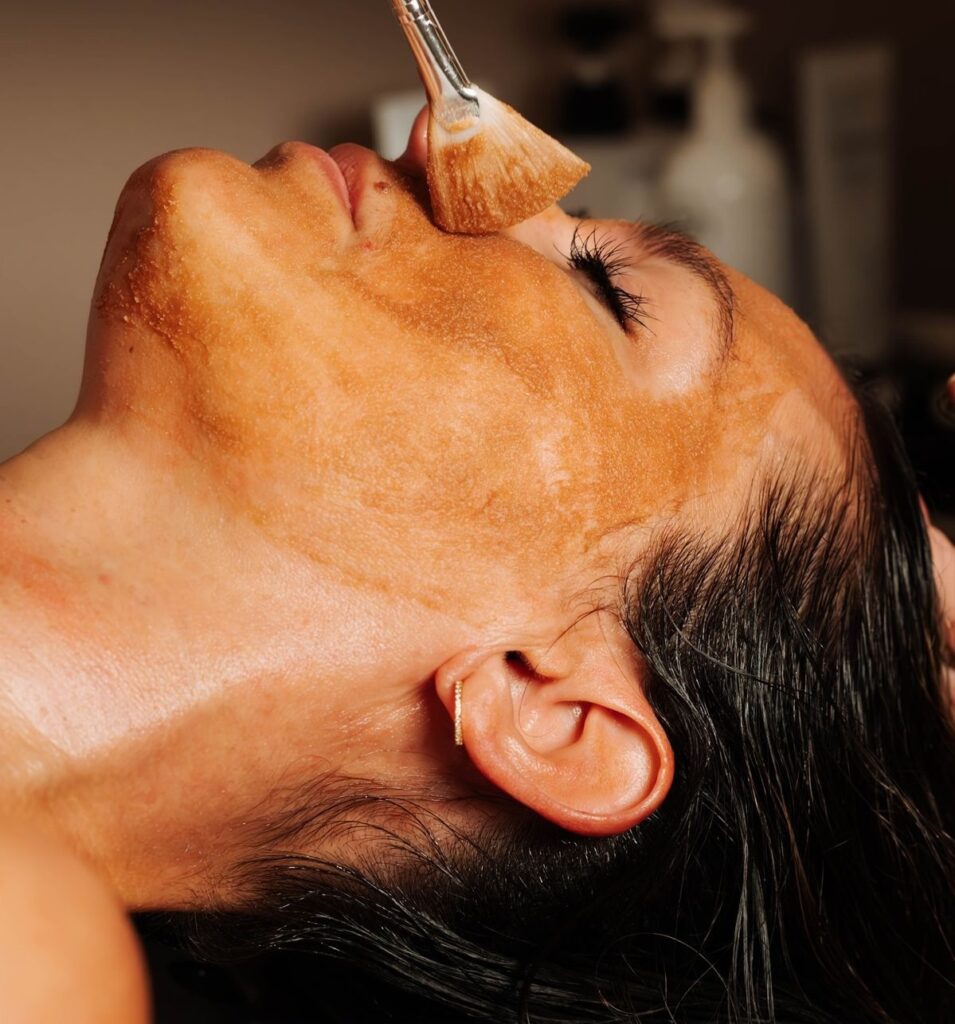
Why it works: Enzyme peels use fruit enzymes (like papaya or pumpkin) to gently dissolve dead skin cells without acids. They’re the gentlest option for sensitive skin.
Benefits:
- No stinging or irritation
- Brightens and smooths
- Safe for all skin types
Best for: First-time peel users or extremely reactive skin
How to Prepare Sensitive Skin for a Chemical Peel
If your skin is sensitive, you can’t just book a peel and hope for the best. You need to prepare your skin barrier first.
Step 1: Strengthen Your Barrier (2–4 Weeks Before)
Use barrier-repairing products to build resilience:
- Ceramides (restore lipid barrier)
- Niacinamide (calms inflammation, strengthens barrier)
- Hyaluronic acid (hydrates and plumps)
- Squalane or marula oil (locks in moisture)
Avoid harsh exfoliants, retinoids, or active ingredients during this phase.
Step 2: Introduce Gentle Exfoliation (1–2 Weeks Before)
Once your barrier is stronger, introduce a low-strength AHA or PHA serum (2–3 times per week) to acclimate your skin to exfoliation.
Step 3: Avoid Irritants (1 Week Before)
Stop using:
- Retinoids or retinol
- Vitamin C (if irritating)
- Physical scrubs or exfoliating brushes
- Fragranced products
Step 4: Hydrate and Protect (Leading Up to the Peel)
Focus on hydration and SPF. Your skin should feel calm, hydrated, and resilient before the peel.
What to Expect During a Barrier-First Chemical Peel
At Arch + Skin, I customize every chemical peel based on your skin’s current condition. Here’s what a barrier-first peel looks like:
Before the Peel
- Skin assessment: I evaluate your barrier health, sensitivity level, and treatment goals
- Customized peel selection: I choose the gentlest acid and strength for your skin
- Barrier prep: If your skin isn’t ready, we’ll do a barrier-strengthening facial first
During the Peel
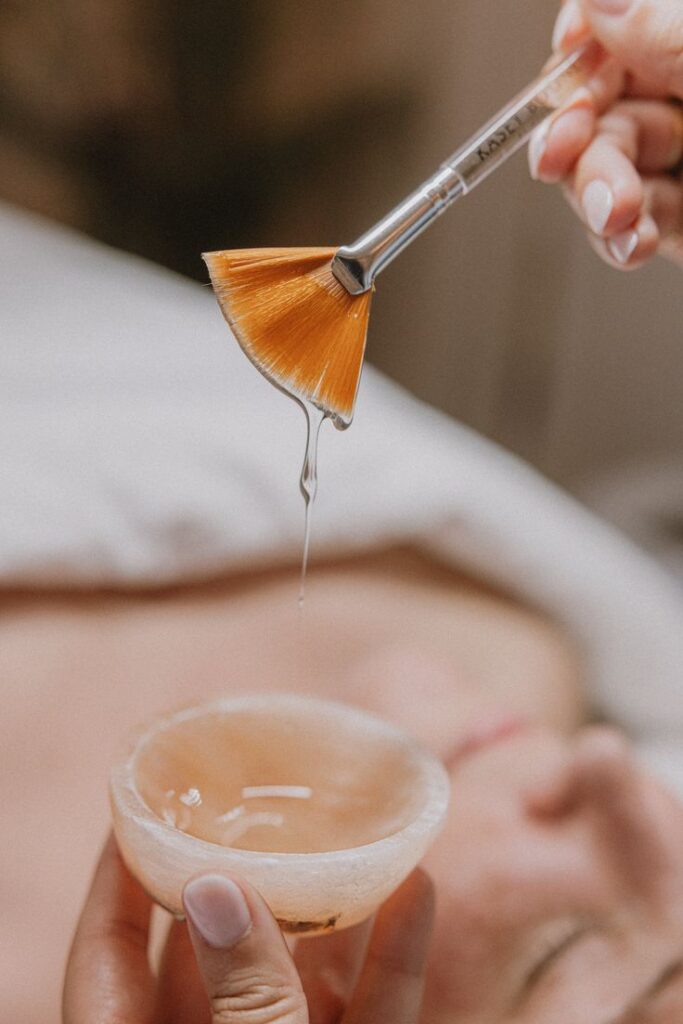
- Gentle application: The peel is applied in thin layers with careful monitoring
- Shorter contact time: Sensitive skin gets shorter processing times to minimize irritation
- Neutralization and calming: The peel is neutralized, and barrier-supporting serums are applied immediately
After the Peel
- Minimal downtime: You may experience light flaking or tightness, but no dramatic peeling
- Barrier support: I’ll send you home with barrier-repairing products to support healing
- SPF is non-negotiable: Your skin will be more sensitive to sun exposure for 7–10 days
Aftercare for Sensitive Skin Post-Peel
Your skin will be more vulnerable after a peel. Here’s how to protect it:
Days 1–3: Calm and Hydrate
- Use a gentle, fragrance-free cleanser
- Apply a barrier-repairing serum (ceramides, niacinamide)
- Moisturize with a rich, soothing cream
- Avoid makeup if possible
Days 4–7: Support Healing
- Continue barrier-repairing products
- Introduce hydrating masks if needed
- Avoid active ingredients (retinoids, acids, vitamin C)
- Wear SPF 30+ daily (even indoors)
Week 2+: Reintroduce Actives Slowly
- Once your skin feels normal, you can reintroduce gentle actives
- Wait at least 2 weeks before another peel
Common Mistakes to Avoid
1. Booking a peel when your barrier is compromised If your skin is already irritated, red, or flaky, a peel will make it worse. Strengthen your barrier first.
2. Choosing a peel that’s too strong More strength doesn’t mean better results—especially for sensitive skin. Start low and build up.
3. Skipping barrier prep Prep work is everything. If your skin isn’t ready, the peel won’t work as well (and may cause damage).
4. Over-exfoliating after the peel Your skin is healing. Don’t use acids, retinoids, or scrubs for at least 1–2 weeks post-peel.
5. Forgetting SPF Post-peel skin is vulnerable to UV damage. SPF is non-negotiable.
Can Chemical Peels Help Rosacea?
Yes—when done correctly. I specialize in rosacea-safe chemical peels that reduce redness, calm inflammation, and improve skin texture without triggering flare-ups.
Best peels for rosacea:
- Mandelic acid (anti-inflammatory, gentle)
- Lactic acid (hydrating, calming)
- PHA peels (barrier-supportive, non-irritating)
What to avoid:
- High-strength glycolic acid
- Salicylic acid (can be too drying)
- Aggressive peeling protocols
Chemical Peels for Sensitive Skin in Dallas
At Arch + Skin, I take a science-backed, barrier-first approach to chemical peels. Every treatment is customized based on your skin’s current health, sensitivity level, and goals.
What’s included:
- Skin barrier assessment
- Customized peel selection (lactic, mandelic, PHA, or enzyme)
- Barrier-supporting serums and calming treatments
- Personalized aftercare plan
- Follow-up support
I also offer customized facials that include gentle exfoliation, barrier repair, and hydration—perfect for sensitive skin that’s not ready for a full peel yet.
Final Thoughts: Peels Don’t Have to Be Scary
If you have sensitive skin, you don’t have to avoid chemical peels. You just need the right approach.
Key takeaways:
- Strengthen your barrier before booking a peel
- Choose gentle acids (lactic, mandelic, PHA)
- Start with lower strengths and shorter contact times
- Prioritize aftercare and SPF
- Work with an esthetician who understands sensitive skin
Chemical peels for sensitive skin don’t have to be intimidating when you work with an esthetician who prioritizes barrier health. If you’re in Dallas and ready for a barrier-first chemical peel, book a consultation at Arch + Skin. I’ll assess your skin, customize your treatment, and make sure your skin stays healthy and glowing.
Book your chemical peel at Arch + Skin: archandskin.com
About the Author

Lauren Munson is a licensed esthetician and rosacea specialist at Arch + Skin in Dallas, TX. She specializes in barrier-first skincare and customized chemical peels for sensitive, reactive, and rosacea-prone skin. Lauren has performed thousands of facials and peels, helping clients achieve clear, calm, healthy skin without irritation.


